

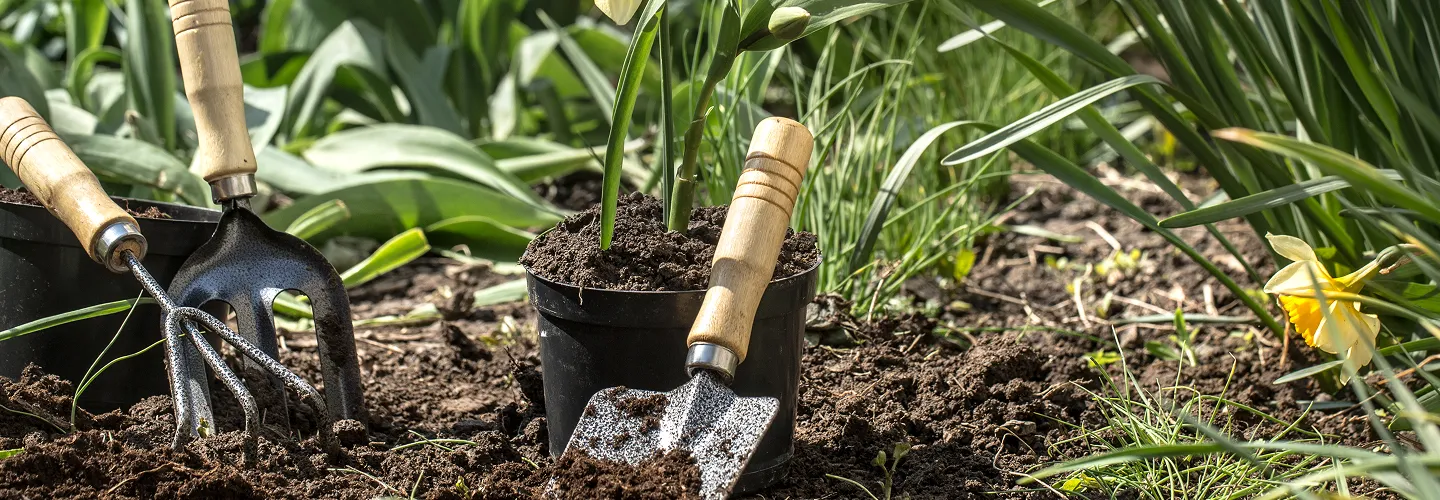
Dedham Weed Control Services
Choose our weed control services for proven results, expert care, and a commitment to keeping your lawn healthy, beautiful, and free from unwanted growth all season long.
Get a Free QuoteWhen to Schedule Weed Control in Dedham, Massachusetts – Seasonal Guide
In Dedham, Massachusetts, timing your weed control treatments is crucial for maintaining a healthy, attractive landscape. The best periods for weed management typically fall in early spring and late summer, when local weather patterns—such as moderate rainfall and rising soil temperatures—create optimal conditions for both weed germination and effective treatment. For neighborhoods near Wilson Mountain Reservation or along the Charles River, the microclimates created by shade coverage and moisture retention can influence the ideal timing for applications.
Dedham’s climate features cold winters with late frosts, humid summers, and occasional droughts, all of which impact weed growth cycles. Homeowners in areas like Oakdale or near Dedham Square should pay close attention to local frost dates and soil conditions, as these can affect when pre-emergent or post-emergent treatments are most effective. For more information on local environmental factors, visit the Town of Sudbury’s resource page.
Local Factors to Consider for Weed Control in Dedham
- Tree density and shade coverage, especially in neighborhoods with mature oaks and maples
- Soil type and drainage, which can vary between riverfront properties and upland areas
- Annual precipitation and risk of summer droughts
- Proximity to parks, conservation land, or water bodies
- Municipal restrictions or guidelines on herbicide use
- Terrain and slope, affecting runoff and treatment absorption
Benefits of Weed Control in Dedham
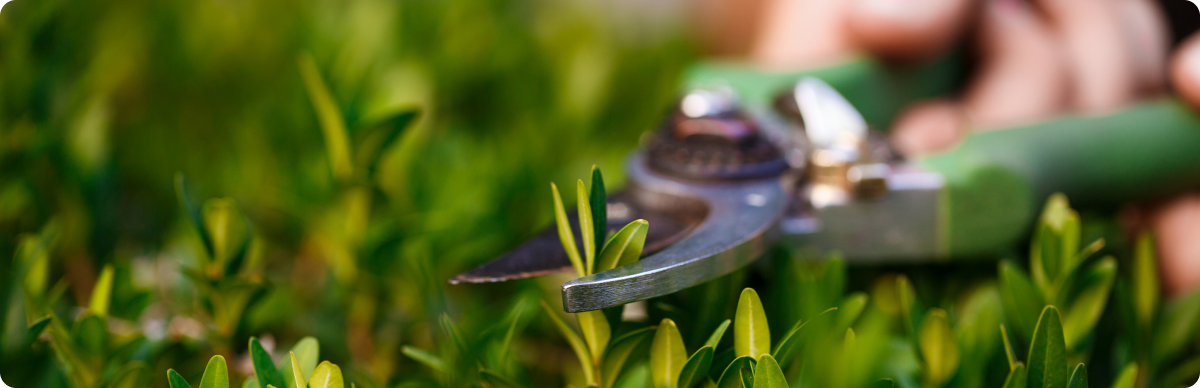
Enhanced Curb Appeal
Healthier Lawns and Gardens
Reduced Maintenance Time
Prevention of Invasive Species
Improved Soil Quality
Long-Term Cost Savings
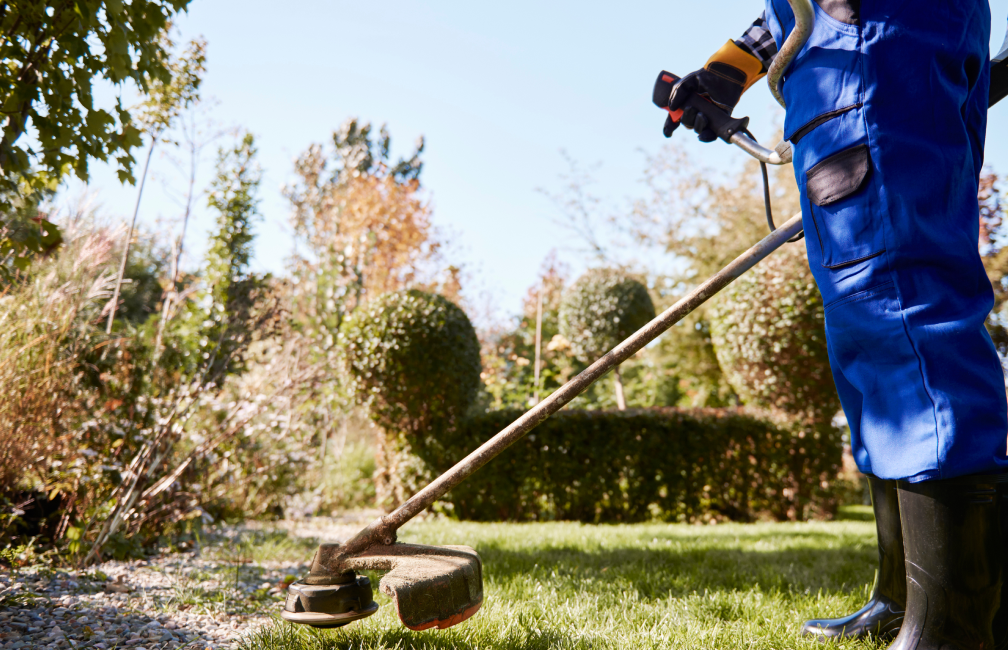
Dedham Weed Control Types

Pre-Emergent Weed Control
-
Post-Emergent Weed Control
-
Selective Herbicide Application
-
Non-Selective Herbicide Application
-
Manual Weed Removal
-
Mulching for Weed Suppression
-
Organic Weed Control Solutions
Our Weed Control Process
Site Evaluation
Weed Identification
Treatment Application
Follow-Up Inspection
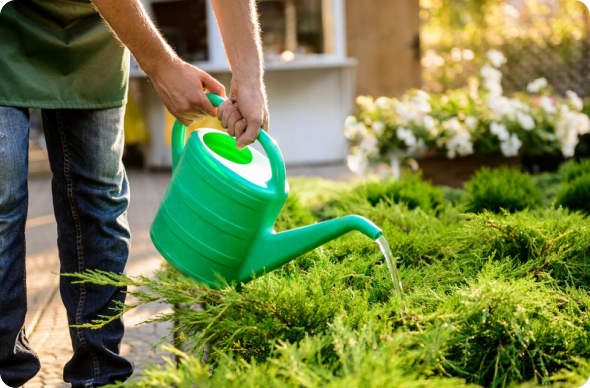
Why Choose Dedham Landscape Services
-
Dedham Homeowners Trust Us
-
Expert Lawn Maintenance
-
Reliable Seasonal Cleanups
-
Competitive Pricing
-
Professional Team
-
Satisfaction Guarantee
-
Personalized Service
Weed Control and Invasive Species Management in Dedham’s Public Spaces
Effective weed control in Dedham’s parks, conservation lands, and public rights-of-way is governed by a combination of municipal ordinances and state environmental regulations. The Town of Dedham’s Department of Public Works oversees vegetation management along roadways and public properties, ensuring compliance with local standards for invasive species removal and herbicide application. All chemical treatments must adhere to the Massachusetts Environmental Policy Act (MEPA) and the Clean Water Act, with a strict prohibition on herbicide use within 25 feet of wetlands or water bodies. Mechanical removal is prioritized in sensitive areas, and all debris must be disposed of through the town’s yard waste program. Key requirements include:
- No herbicide application within 25 feet of wetlands or streams
- Use of biodegradable bags for weed debris
- Weekly yard waste collection: Thursdays, April–November
- Prohibited: Plastic bags, branches over 4 inches diameter
Dedham Department of Public Works
450 Washington Street, Dedham, MA 02026
Phone: (781) 751-9350
Official Website: Dedham Department of Public Works
Soil Series and Drainage Patterns Affecting Weed Control in Dedham
Dedham’s predominant soils, including the Canton fine sandy loam and Hinckley gravelly sandy loam, present unique challenges for weed management. These soils, as identified by the USDA Web Soil Survey, are moderately to excessively drained, with pH levels typically ranging from 5.2 to 6.0. Poorly drained pockets, especially near Mother Brook and the Charles River, can foster aggressive weed growth and complicate chemical control due to runoff risks. For optimal results:
- Conduct soil testing every 2-3 years (available through UMass Extension, $15-25 per test)
- Apply lime if pH falls below 6.0
- Avoid chemical applications before heavy rain (per National Weather Service)
- Use mulch or groundcover to suppress weeds in high-drainage areas
Soil amendments should be incorporated to a depth of 6 inches for effective weed suppression and healthy turf establishment.
Seasonal Timing and Weather Considerations for Weed Control in Dedham
Dedham’s climate, classified as USDA Hardiness Zone 6b, features cool springs and warm, humid summers, which directly influence weed emergence and control windows. Pre-emergent herbicides are most effective when applied between April 10 and May 1, as soil temperatures reach 50–55°F. Post-emergent treatments should be scheduled for late May through early July, targeting actively growing weeds. Avoid applications during heat waves (June–August) to minimize turf stress and chemical volatilization. Key timing guidelines:
- Spring pre-emergent: April 10 – May 1 (soil temp 50–55°F)
- Post-emergent: May 20 – July 10
- Avoid: June–August (high heat)
- Fall spot treatments: September 1 – October 15
For up-to-date weather and soil temperature data, consult the National Weather Service Boston/Norton Office.
Municipal Ordinances and Environmental Compliance for Weed Control in Dedham
Weed control activities in Dedham are subject to local ordinances and state environmental protections. Equipment operation is permitted:
- Monday–Friday: 7:00 AM – 7:00 PM
- Saturday: 8:00 AM – 6:00 PM
- Sunday and holidays: Prohibited
All operators must comply with the town’s noise ordinance (Chapter 170, Dedham Code) and maintain a 25-foot buffer from wetlands, as required by the Massachusetts Department of Environmental Protection under the MS4 stormwater permit. Disposal of weed debris in storm drains is strictly prohibited. For projects near conservation areas, coordinate with the Conservation Commission for permit requirements and review timelines (typically 10 business days, $50–$75 application fee).
Dedham Conservation Commission
450 Washington Street, Dedham, MA 02026
Phone: (781) 751-9210
Official Website: Dedham Conservation Commission
Professional Standards and Safety Protocols for Weed Control in Dedham
All weed control operations in Dedham must adhere to professional safety and equipment standards. Operators are required to use:
- Eye protection: ANSI Z87.1 safety glasses
- Hearing protection: Earmuffs or plugs for 85+ dB noise
- Gloves: Chemical-resistant for herbicide application
- Footwear: Steel-toed, non-slip boots
Equipment must be commercial-grade and maintained with blade sharpening every 20–25 hours of use. When applying herbicides, maintain a 15-foot clearance from property lines and public walkways. Only licensed applicators may use restricted-use pesticides, in accordance with Massachusetts Pesticide Regulations. All personnel must be trained in spill response and safe chemical handling. For technical guidance, consult UMass Extension resources.
What Neighborhoods Do We Serve Throughout Dedham, MA?
- Greenlodge: Characterized by mature tree cover and moderately drained Canton fine sandy loam soils, requiring careful management of leaf litter and weed debris.
- Oakdale: Features older homes with compacted soils and smaller lots, where weed pressure is high and mechanical removal is often necessary.
- Riverdale: Proximity to the Charles River and floodplain areas increases the risk of invasive species and necessitates strict buffer compliance.
- Manor: Newer developments with improved drainage but higher exposure to sun, leading to rapid weed growth in open turf areas.
- East Dedham: Contains several conservation lands and wetlands, requiring adherence to 25-foot no-disturbance zones and coordination with the Conservation Commission.
- Dedham Square: Urbanized core with limited green space, where weed control focuses on public planters and right-of-way maintenance.
- Ashcroft: Residential area with variable soil drainage and a mix of historic and modern properties, presenting diverse weed management challenges.