

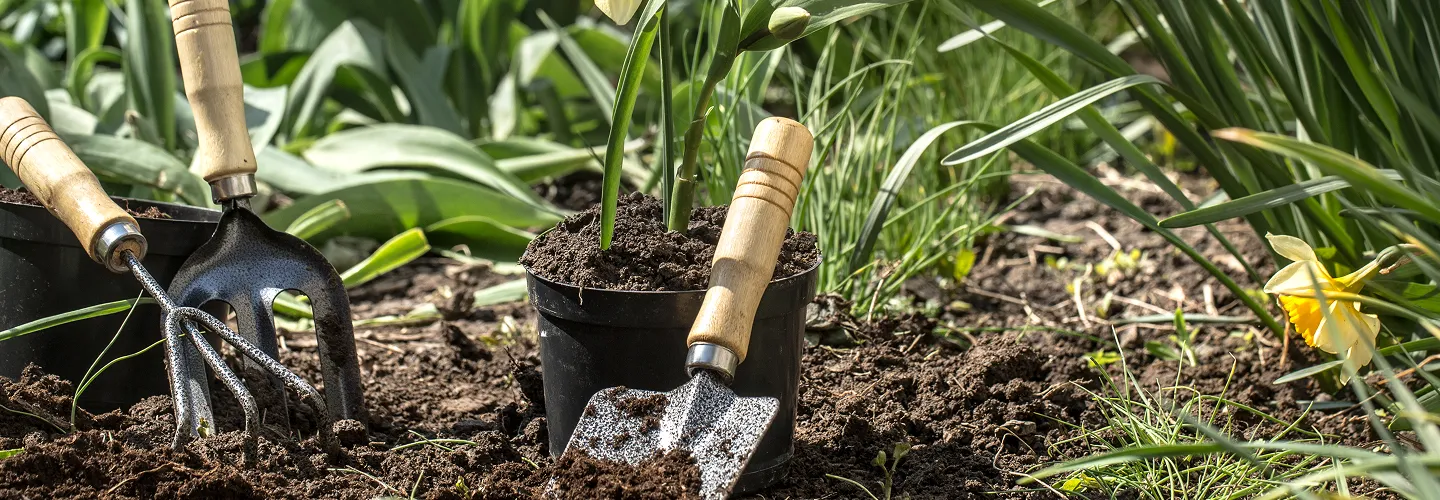
Dedham Hedging Services
Choose our professional hedging services for expertly shaped, healthy, and vibrant hedges that enhance your property's curb appeal, provide privacy, and require minimal maintenance year-round.
Get a Free QuoteWhen to Schedule Hedging in Dedham, MA – Seasonal Guide
In Dedham, MA, the best times to schedule hedging are typically late spring and early fall, when local weather conditions are most favorable for plant recovery and growth. The region’s climate, characterized by cold winters and humid summers, means that hedging too early in spring can expose fresh cuts to late frosts, while late-summer trimming may not allow enough time for regrowth before winter. Neighborhoods like Oakdale and Greenlodge, with their mature tree canopies and varied lot sizes, often require careful timing to ensure optimal results.
Local environmental factors such as Dedham’s variable soil types—from sandy loam near the Charles River to denser soils in the Manor area—can influence how quickly hedged plants recover. Areas with heavy shade, like those near Wilson Mountain Reservation, may need a different approach compared to sunnier yards. It’s also important to consider municipal guidelines and seasonal updates, which can be found on the Town of Dedham’s official website.
Local Factors to Consider for Hedging in Dedham
- Proximity to frost dates and risk of late spring or early fall cold snaps
- Tree density and shade coverage, especially in neighborhoods like Oakdale
- Soil type and drainage, which affect plant recovery
- Precipitation patterns and drought risk during summer months
- Terrain and accessibility, particularly in hilly or wooded areas
- Municipal restrictions or seasonal advisories on landscaping activities
Benefits of Hedging in Dedham
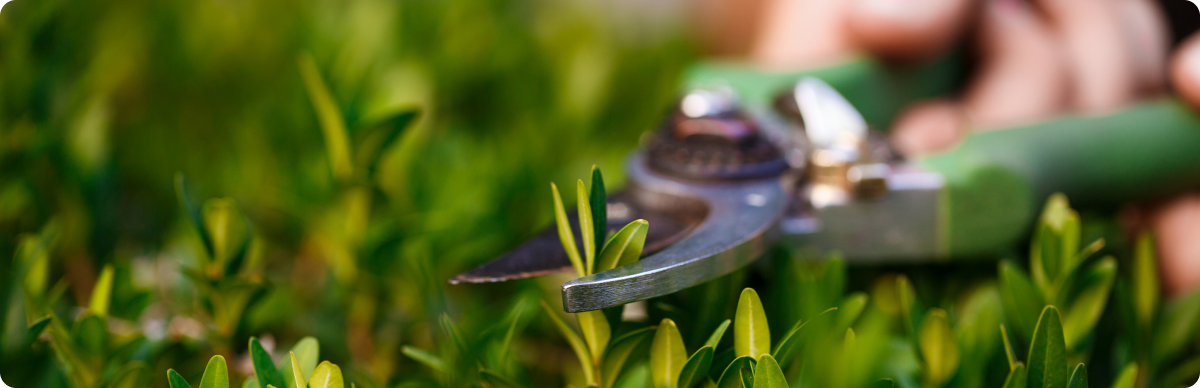
Enhanced Property Privacy
Improved Curb Appeal
Natural Noise Reduction
Increased Property Value
Low Maintenance Solutions
Year-Round Greenery
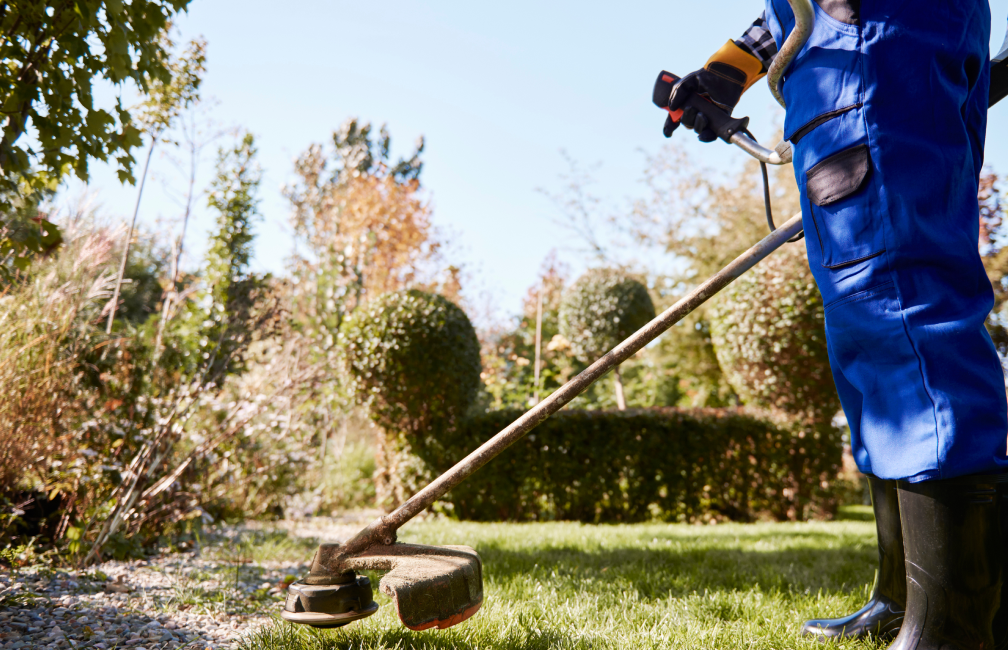
Dedham Hedging Types

Boxwood Hedges
-
Privet Hedges
-
Yew Hedges
-
Laurel Hedges
-
Beech Hedges
-
Hornbeam Hedges
-
Holly Hedges
Our Hedging Process
Site Evaluation
Planning and Marking
Trimming and Shaping
Cleanup and Inspection
Why Choose Dedham Landscape Services
-
Dedham Homeowners Trust Us
-
Expert Lawn Maintenance
-
Reliable Seasonal Cleanups
-
Competitive Pricing
-
Professional Team
-
Satisfaction Guarantee
-
Personalized Service
Contact Dedham's Department of Public Works for Hedge Trimming Debris & Brush Disposal
Dedham's Department of Public Works coordinates a seasonal yard waste collection program extending from early April through late November, expertly engineered to handle residential hedge trimmings in complete compliance with Massachusetts environmental regulations. Property owners must prepare hedge materials by cutting branches to 4-foot maximum lengths with bundles weighing no more than 50 pounds, secured exclusively with natural biodegradable twine or contained in certified compostable paper bags—plastic containers are absolutely prohibited under state organic waste legislation. The municipal Transfer Station requires current resident identification and operates according to posted schedules for substantial hedge renovation projects exceeding standard curbside collection limits.
Dedham Department of Public Works
450 Washington Street, Dedham, MA 02026
Phone: (781) 751-9100
Official Website: Dedham Department of Public Works
Thorough material classification procedures distinguish between compostable organic hedge debris suitable for municipal processing and non-biodegradable components including metal supports, synthetic plant ties, irrigation hardware, and plastic containers requiring separate disposal pathways. Depositing landscape waste in roadways, storm drainage networks, or municipal catch basins violates MS4 regulatory requirements and may result in environmental enforcement actions.
- Branch preparation: 4-foot maximum lengths, 50-pound bundle weight restrictions
- Natural biodegradable twine exclusively—synthetic fasteners prohibited
- Current resident identification mandatory for Transfer Station access
- Thorough classification of organic materials from synthetic components
- Complete prohibition on roadway, storm system, or catch basin disposal
Understanding Hedge Selection for Dedham's Neponset River Valley & Charles River Alluvium & Climate Zone 6b
Dedham's strategic position at the confluence of the Charles and Neponset River systems within USDA Hardiness Zone 6b establishes distinctive environmental parameters requiring thoughtful hedge species selection for sustainable landscape performance. The town's geological foundation, documented through USDA Web Soil Survey analysis, predominantly features river valley alluvial deposits with Limerick-Saco associations along the Charles River and Mother Brook, Neponset River valley sediments, and upland glacial till including Paxton-Woodbridge series, characterized by very poorly drained to moderately well-drained conditions with pH values typically ranging from 5.0 to 6.8, influenced by centuries of mill operations and contemporary suburban development.
University of Massachusetts Extension Center for Agriculture, Food and the Environment
161 Forest Hills Street, Boston, MA 02130
Phone: (617) 522-7400
Official Website: University of Massachusetts Extension
Environmental stressors significantly affecting hedge establishment include moderate to heavy salt exposure from winter road treatment operations along Interstate 95, Routes 1, 1A, and 109, variable soil drainage from seasonally flooded river bottoms to well-drained upland areas, substantial deer browsing pressure throughout residential neighborhoods adjacent to Legacy Place and conservation areas, and diverse microclimatic conditions created by the historic Mother Brook waterway and Neponset River system.
Recommended species for Dedham's dual river valley environment:
- Native/River Valley Adapted Varieties: Viburnum dentatum 'Blue Muffin', Ilex verticillata 'Winter Gold', Sambucus canadensis 'Adams', Cephalanthus occidentalis, Lindera benzoin
- Urban-Tolerant Selections: Forsythia x intermedia 'Spectabilis', Syringa vulgaris 'President Lincoln', Taxus x media 'Hicksii', Rhododendron maximum
- Variable Drainage Adaptable: Cornus sericea 'Baileyi', Physocarpus opulifolius 'Diablo', Clethra alnifolia 'Ruby Spice', Itea virginica 'Henry's Garnet'
- Deer-Resistant Options: Buxus microphylla 'Green Gem', Spiraea japonica 'Magic Carpet', Ilex crenata 'Sky Pencil', native aromatic species
Massachusetts Department of Agricultural Resources
251 Causeway Street, Boston, MA 02114
Phone: (617) 626-1700
Official Website: Massachusetts Department of Agricultural Resources
Invasive species prevention requires avoiding problematic introductions including winged euonymus, Japanese barberry, multiflora rose, and common buckthorn. Select ecologically beneficial native alternatives providing equivalent aesthetic value while supporting dual river watershed ecosystem health and conforming to Massachusetts invasive species management protocols.
Dedham Conservation Commission Requirements for Hedge Work Near Wetlands & Protected Areas
The Dedham Conservation Commission exercises regulatory authority under the Massachusetts Wetlands Protection Act, governing activities within 100-foot wetland buffer zones and 200-foot riverfront areas adjacent to the Charles River, Neponset River, historic Mother Brook waterway, Wigwam Pond, and numerous tributary streams throughout the municipality. Property owners contemplating hedge installations, removals, or significant alterations within these regulated areas must secure appropriate permits through Request for Determination of Applicability (RDA) or Notice of Intent (NOI) procedures before initiating any ground-disturbing activities.
Dedham Conservation Commission
26 Bryant Street, Dedham, MA 02026
Phone: (781) 751-9105
Official Website: Dedham Conservation Commission
Buffer zone habitat management prioritizes native dual-river valley plant communities that enhance water quality protection while establishing wildlife habitat corridors throughout the town's diverse suburban landscape. Wildlife conservation protocols require seasonal activity restrictions during critical nesting periods from early April through mid-August, with special consideration for species utilizing shrub habitats along the historic waterway corridors.
Massachusetts Natural Heritage & Endangered Species Program
1 Rabbit Hill Road, Westborough, MA 01581
Phone: (508) 389-6300
Official Website: Massachusetts Natural Heritage & Endangered Species Program
- Wetlands Protection Act jurisdiction within 100-foot buffer areas
- Native dual-river valley plant community emphasis for water quality protection
- Seasonal activity restrictions early April through mid-August
- Temporary erosion control during soil disturbance activities
- Priority habitat consultation for endangered species protection
Property Lines, Rights-of-Way & Sightline Rules for Hedges in Dedham
Dedham's comprehensive zoning bylaws establish precise hedge placement specifications, with property boundary setback requirements typically spanning from 5 to 15 feet depending on residential density classifications and specific district regulations. Height restrictions generally limit hedge installations to 6 feet maximum in front yard zones and 8 feet in side and rear yard areas, with modifications based on underlying zoning categories and historic overlay designations. Traffic sight distance mandates require unobstructed visibility zones measuring 25 to 35 feet from intersection corners to guarantee vehicular and pedestrian safety at street junctions and driveway approaches.
Dedham Building Department
26 Bryant Street, Dedham, MA 02026
Phone: (781) 751-9120
Official Website: Dedham Building Department
Dedham Planning Board
26 Bryant Street, Dedham, MA 02026
Phone: (781) 751-9155
Official Website: Dedham Planning Board
- Property boundary setbacks: 5-15 feet based on zoning district classification
- Height limitations: 6 feet maximum front yards, 8 feet side/rear yards
- Traffic sight zones: 25-35 feet unobstructed visibility requirements
- Utility company coordination mandatory for infrastructure clearances
- ADA compliance for 36-inch minimum pedestrian passage width
Safe Pruning Standards, Wildlife Protection & Seasonal Timing in Dedham
Professional hedge maintenance throughout Dedham must meticulously adhere to established ANSI A300 pruning standards, which comprehensively specify proper cutting methodologies that preserve plant vitality and foster optimal growth characteristics. These industry benchmarks emphasize precise cuts positioned just outside the branch collar, skilled utilization of three-cut techniques for substantial branches, and complete elimination of harmful practices including topping, flush cutting, or excessive crown reduction that compromise structural integrity. Tool disinfection using 70% isopropyl alcohol or 10% sodium hypochlorite solution between different plants prevents pathogen transmission across landscape installations.
National Weather Service Boston
46 Commerce Way, Norton, MA 02766
Phone: (508) 622-3250
Official Website: National Weather Service Boston
Seasonal timing protocols for Dedham's Zone 6b climate recommend structural pruning during late winter dormancy from late February through early March, with suburban-adapted shrub-specific timing requiring post-bloom pruning to maintain subsequent year's flower bud development. Integrated pest management approaches encompass systematic surveillance for common suburban pests including scale insects, aphids, and various fungal diseases, employing environmentally sound treatment methods and consulting University of Massachusetts Extension diagnostic services.
- ANSI A300 standards for professional pruning methodologies
- Late winter structural pruning (late February through early March)
- Suburban-adapted shrub post-bloom timing for flower bud preservation
- Wildlife nesting protection early April through mid-August
- Comprehensive safety equipment and suburban pest management protocols
Managing Hedge Waste Under Massachusetts Organic Waste Diversion Requirements
Massachusetts General Law Chapter 111, Section 150A establishes comprehensive organic waste diversion mandates that absolutely forbid hedge trimmings and other yard materials from residential waste streams. This sweeping legislation demands active engagement in municipal organic waste diversion initiatives and requires proper classification of biodegradable materials for composting or collection through Dedham's established seasonal yard waste management program.
Massachusetts Department of Environmental Protection
One Winter Street, Boston, MA 02108
Phone: (617) 292-5500
Official Website: Massachusetts Department of Environmental Protection
Residential composting presents an environmentally advantageous option for healthy, non-invasive hedge materials, necessitating recommended setback distances of 10-20 feet from property boundaries and water sources to avoid nuisance conditions and protect groundwater resources.
- Absolute prohibition of hedge materials in residential refuse streams
- Required participation in municipal organic waste diversion initiatives
- Residential composting with 10-20 foot property boundary setbacks
- Specialized containment protocols for invasive and diseased materials
Stormwater Protection During Hedge Work in Compliance with Dedham's MS4 Program
Dedham operates under rigorous Municipal Separate Storm Sewer System (MS4) permit obligations regulated through the EPA NPDES compliance framework, requiring comprehensive stormwater protection measures during hedge installation and maintenance activities. The town's MS4 management program mandates implementation of best management practices preventing hedge debris, sediment discharge, and other contaminants from entering storm drainage systems that discharge to the Charles River, Neponset River, and historic Mother Brook waterway.
U.S. Environmental Protection Agency, Region 1
5 Post Office Square, Boston, MA 02109
Phone: (617) 918-1111
Official Website: U.S. Environmental Protection Agency, Region 1
Clean Water Act compliance requires integration between private property maintenance operations and municipal dual-watershed water quality protection goals.
- MS4 permit obligations for comprehensive stormwater quality management
- Temporary sediment barrier deployment during soil-disturbing operations
- Equipment leak prevention and comprehensive site stabilization protocols
What Neighborhoods Do We Serve Throughout Dedham, MA?
Dedham Square Historic Village presents unique urban hedging challenges due to architectural preservation requirements and compact mixed-use development around the traditional New England town center. Historic District Commission guidelines may restrict certain contemporary cultivars to preserve colonial and Federal architectural character, while high pedestrian traffic demands careful attention to sight line preservation and ADA accessibility compliance.
Legacy Place Commercial District encompasses intensive retail and entertainment development creating complex screening requirements and challenging environmental conditions. The area's heavily modified urban soils support only the most pollution-tolerant species, while commercial zoning requirements mandate extensive screening standards between parking areas and adjacent residential properties.
Oakdale Residential District encompasses established single-family neighborhoods with mature tree canopies creating diverse microclimatic conditions. Community expectations maintain high aesthetic standards reflecting the neighborhood's established residential character, while equipment access considerations on winding residential streets influence maintenance scheduling approaches.
Charles River Waterfront Neighborhoods include properties with direct river frontage requiring specialized consideration for hedge installations near this significant waterway system. Conservation Commission oversight applies to properties within riverfront buffer zones, while waterfront properties often require extensive privacy screening that balances aesthetic objectives with environmental stewardship.
Mother Brook Historic Waterway Areas feature properties along America's first man-made waterway, creating distinctive environmental and historical considerations. The neighborhood's alluvial soils and historical significance create unique growing conditions and regulatory considerations, while Conservation Commission coordination applies to properties within waterway buffer zones.
East Dedham/Westwood Border Areas feature transitional neighborhoods between Dedham's suburban core and adjacent communities, creating moderate suburban environmental conditions. Proximity to major transportation corridors including Interstate 95 increases salt exposure requiring particularly resilient plant selections.
Neponset River Valley Properties encompass residential areas within this watershed system with seasonal flooding concerns and extensive wetland complexes. Conservation Commission coordination applies to properties within river corridor buffer zones, emphasizing native riparian species supporting diverse wildlife populations.
Dedham Municipal Bylaws for Hedge Trimmer Operation, Noise & Commercial Service Standards
Dedham's municipal noise control regulations establish precise operational windows for powered landscaping equipment utilized in hedge maintenance, typically permitting operations between 7:00 AM and 6:00 PM on weekdays and 8:00 AM and 5:00 PM on weekends and municipal holidays. These temporal restrictions apply equally to residential property owners and commercial landscape service contractors, with additional seasonal modifications during summer months to accommodate the town's suburban character and residential neighborhood tranquility standards.
Dedham Board of Health
26 Bryant Street, Dedham, MA 02026
Phone: (781) 751-9140
Official Website: Dedham Board of Health
Commercial hedge maintenance enterprises operating within Dedham must secure appropriate business licenses through the Town Clerk's office and carry comprehensive general liability insurance coverage satisfying municipal minimum standards. Municipal enforcement systems include violation reporting mechanisms with correction timelines typically providing 14 days for compliance achievement, with appeal options available through appropriate municipal boards when exceptional circumstances warrant special consideration.
- Equipment operation windows: 7:00 AM-6:00 PM weekdays, 8:00 AM-5:00 PM weekends
- Commercial service licensing and comprehensive liability insurance coverage requirements
- Massachusetts Home Improvement Contractor registration and current certification compliance
- Community courtesy notification standards for major hedge renovation activities
- 14-day correction timelines with municipal appeal options available for exceptional circumstances